

 Home
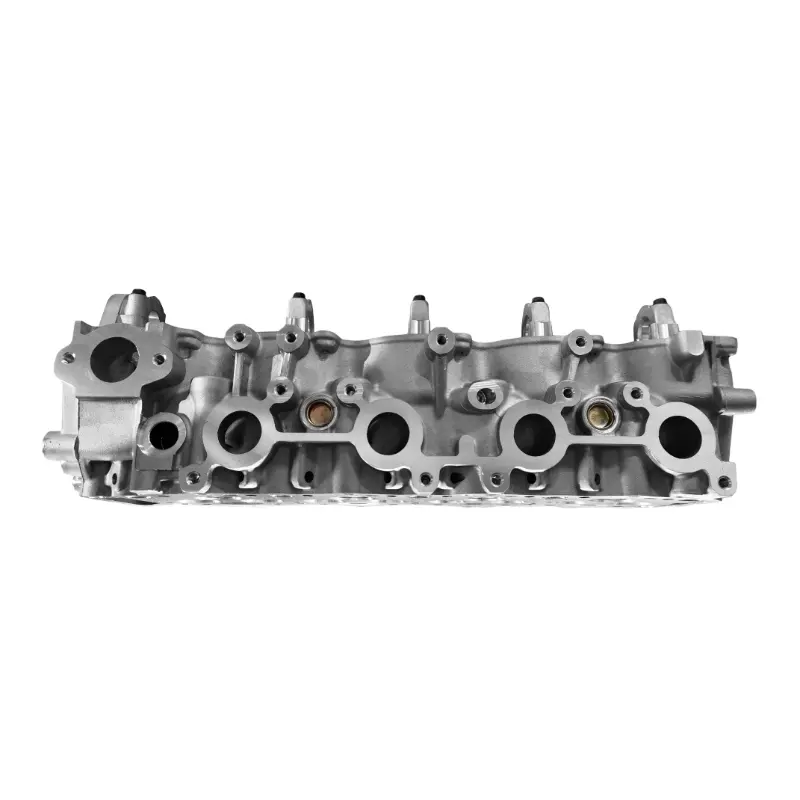
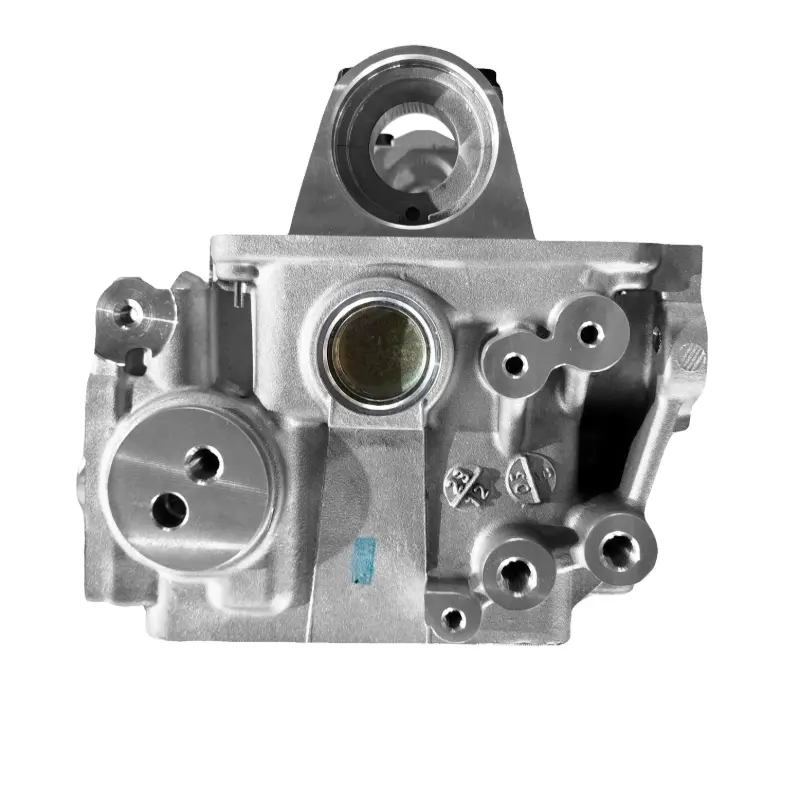
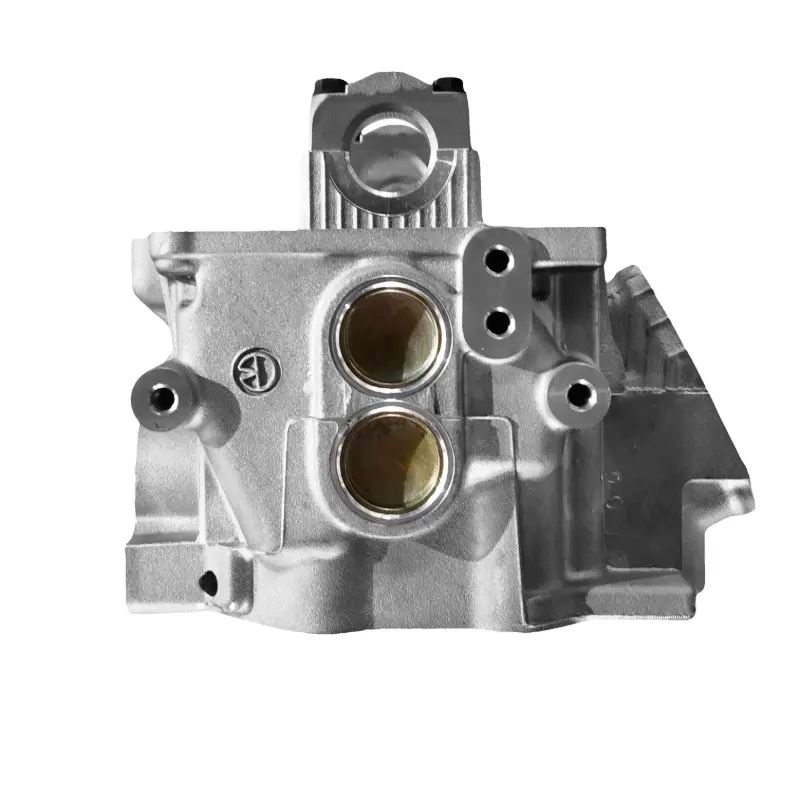
Product NO.
| ML NO. | OEM NO. | REF NO. |
| MLG015 | WL3110100H WL3110100J WL1110100E WL6110100D WL0110100G WL31101003 Y3100K0 40443225 4903053 | 908745 908744 |
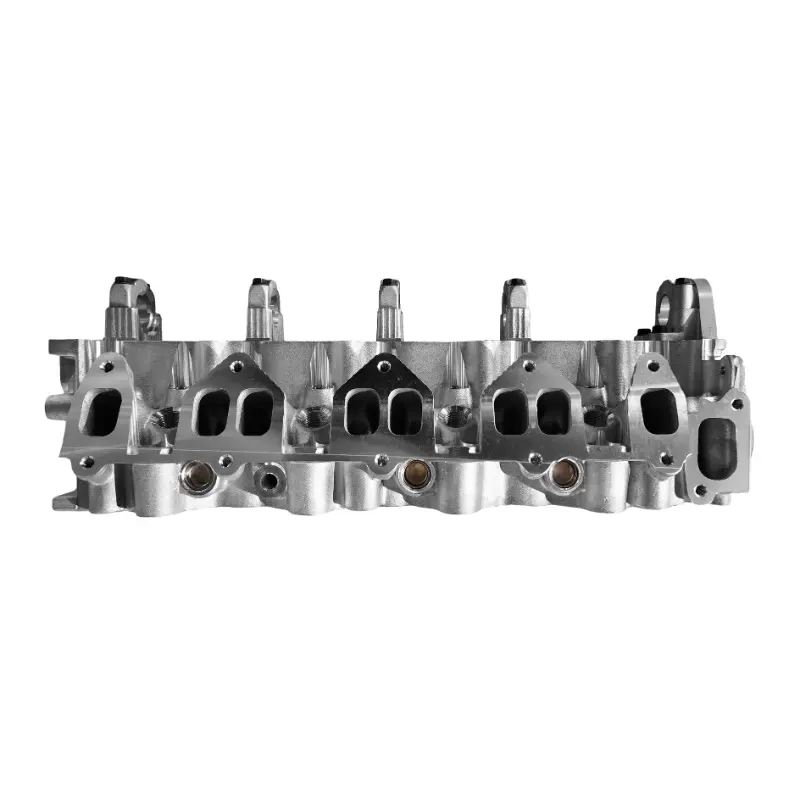
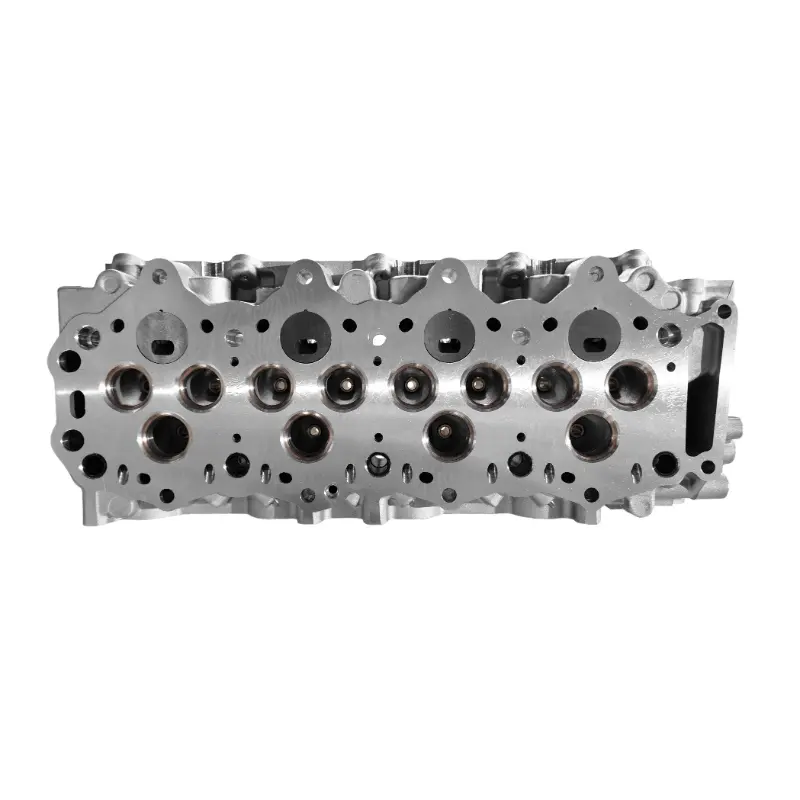
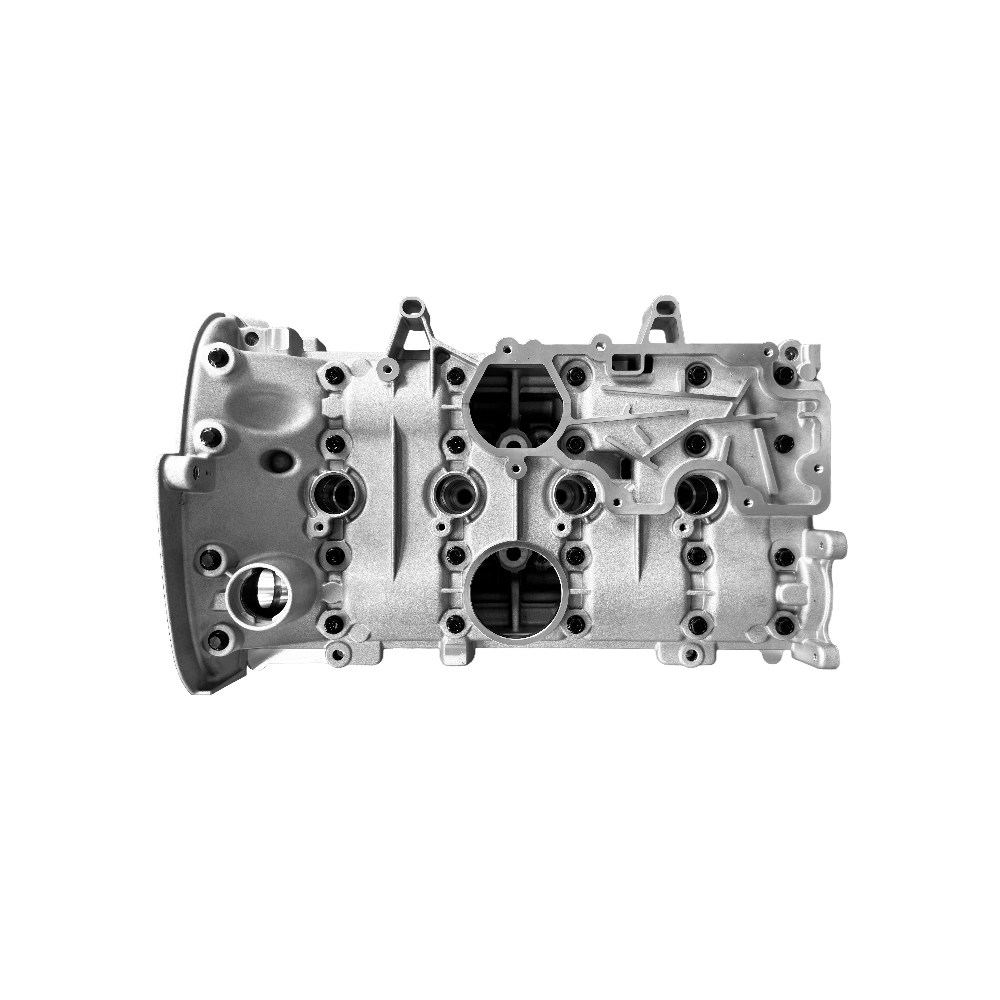
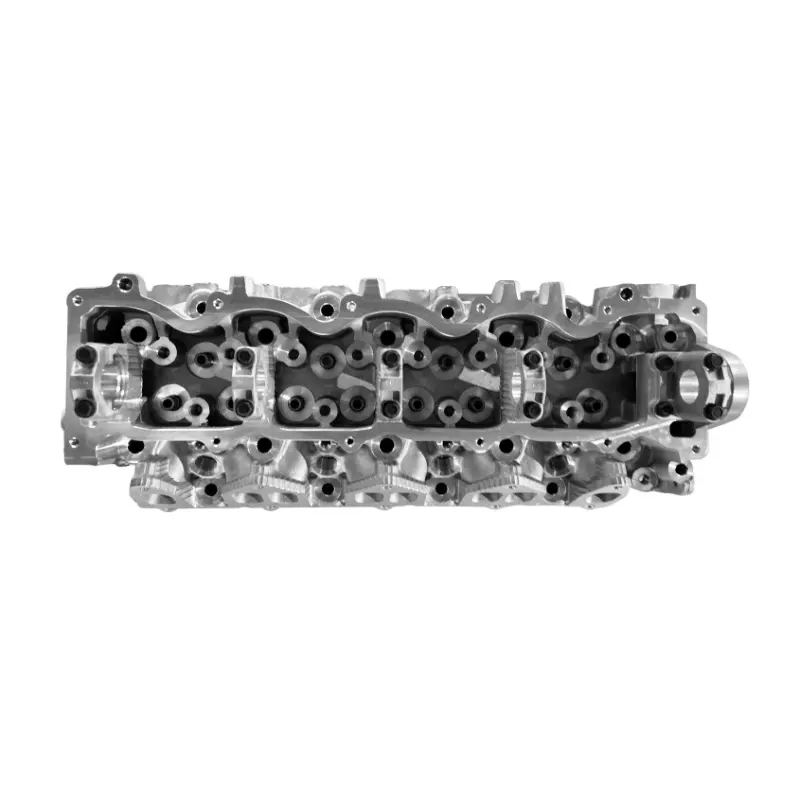
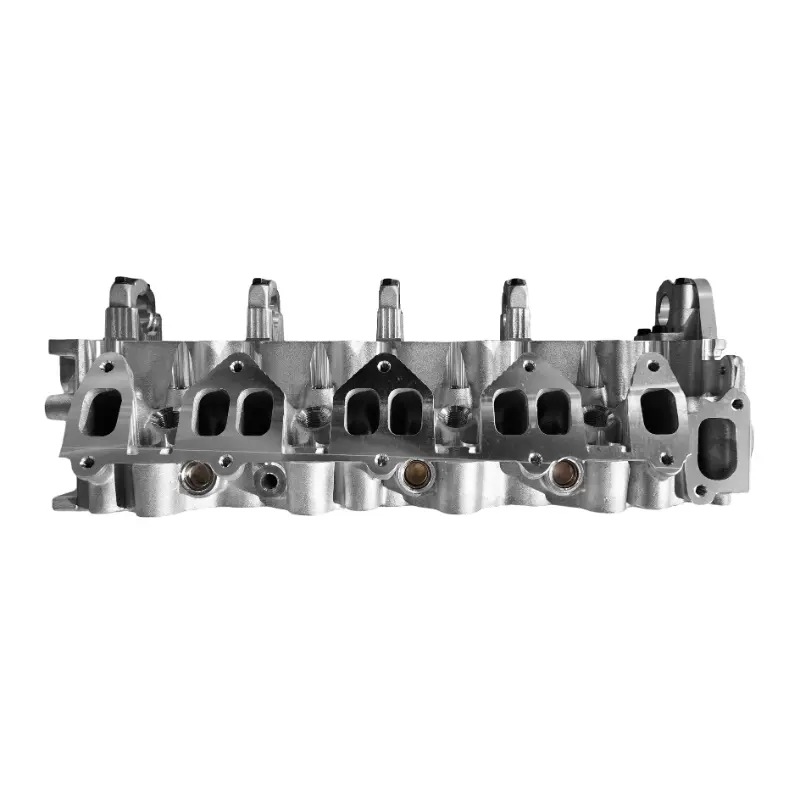
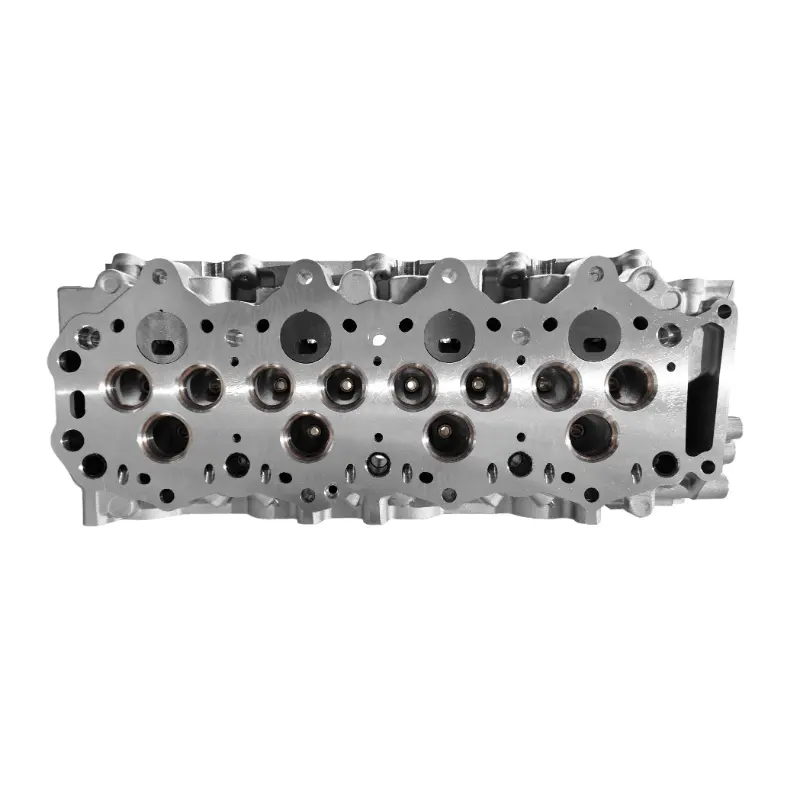
Product Information Cylinder Head
1. WL Engine Overview
• Engine Type: Inline 4-cylinder diesel engine
• Displacement: 2.5L
• Fuel Type: Diesel
• Technical Features:
○ Turbocharged: Enhances air intake, improving engine efficiency.
○ Intercooler: Lowers air temperature to increase air density, improving engine performance.
○ Common Rail Direct Injection: Allows more precise fuel injection control for improved combustion efficiency and reduced emissions.
○ DOHC (Dual Overhead Camshaft): Optimizes engine airflow, maintaining stable performance at high RPM.
2. WL Engine Manufacturing Process
• Aluminum Alloy Cylinder Head and Block: The engine block and cylinder head are made of aluminum alloy, making the engine lightweight and improving heat dissipation, reducing damage from overheating.
• High-Precision Casting and Machining: The casting process of the engine block and cylinder head is precise, followed by CNC machining to ensure accurate part fitment.
• Turbocharger System: The turbocharger is produced with strict mechanical processing, heat treatment, and dynamic balancing checks to ensure high efficiency and longevity.
• Coating Technology: The inner walls of the engine block and cylinder head may use wear-resistant coatings to improve friction performance and reduce wear.
• Common Rail System: The diesel common rail system uses high-pressure fuel injection technology for more efficient fuel delivery, reducing emissions.
3. WL Engine Technical Specifications
• Maximum Power: Approximately 100-130 horsepower (depending on tuning and application)
• Maximum Torque: 250-300 Nm (depends on tuning and application)
• Fuel Efficiency: Compared to traditional gasoline engines, diesel engines generally offer higher fuel efficiency.
• Emission Standards: Primarily meets Euro 3 or Euro 4 emissions standards, with some newer models meeting Euro 5 or Euro 6.
4. WL Engine Applicable Models
• Mazda:
○ Mazda BT-50: A popular pickup truck, widely using the WL engine, suitable for commercial use and heavy-duty driving.
○ Mazda 6: Some older diesel versions of the Mazda 6 also use the WL engine.
○ Mazda CX-7: WL engine may be found in certain regions of the CX-7, offering higher power and better fuel economy.
○ Mazda 3: Some diesel versions of the Mazda 3 also use the WL engine, suitable for everyday city driving and highway cruising.
• Other Brands:
○ Ford: Ford uses the WL engine in some of its commercial vehicles and pickup trucks, especially in the Australian market.
○ Suzuki: Some small commercial vehicles and light trucks from Suzuki use the WL engine, especially in Asian markets.
5. WL Engine Market Distribution
• Asian Market:
○ The WL engine is widely used in the Asian markets, including China, India, and Malaysia, especially in light trucks, pickups, SUVs, and commercial vehicles.
○ In China, the Mazda BT-50 and other brand pickups use the WL engine, catering to local diesel-powered vehicle demand.
• European Market:
○ The WL engine is also widely used in light commercial vehicles and SUVs in Europe, particularly in markets with high diesel engine demand.
○ In Europe, WL engines are typically found in vehicles meeting Euro 5 and Euro 6 emission standards.
• Australia and New Zealand Market:
○ Due to its ability to handle heavy loads, Mazda and other brands use the WL engine in their pickup trucks and commercial vehicles in the Australian and New Zealand markets.
• North American Market:
○ In North America, the WL engine is primarily used in commercial vehicles and light trucks, with a notable presence in truck product lines.
6. Common WL Engine Failures
• Turbocharger Failures: Prolonged overheating or lack of lubrication can damage the turbocharger, affecting engine power output.
• Injector Blockage: Diesel engine injectors are prone to clogging due to poor fuel quality or carbon buildup, affecting fuel injection efficiency.
• Cooling System Failures: Prolonged high-temperature operation can lead to leaks or low coolant levels, causing engine overheating.
• EGR Valve Failures: Faults in the Exhaust Gas Recirculation (EGR) system can cause excessive emissions and degrade engine performance.
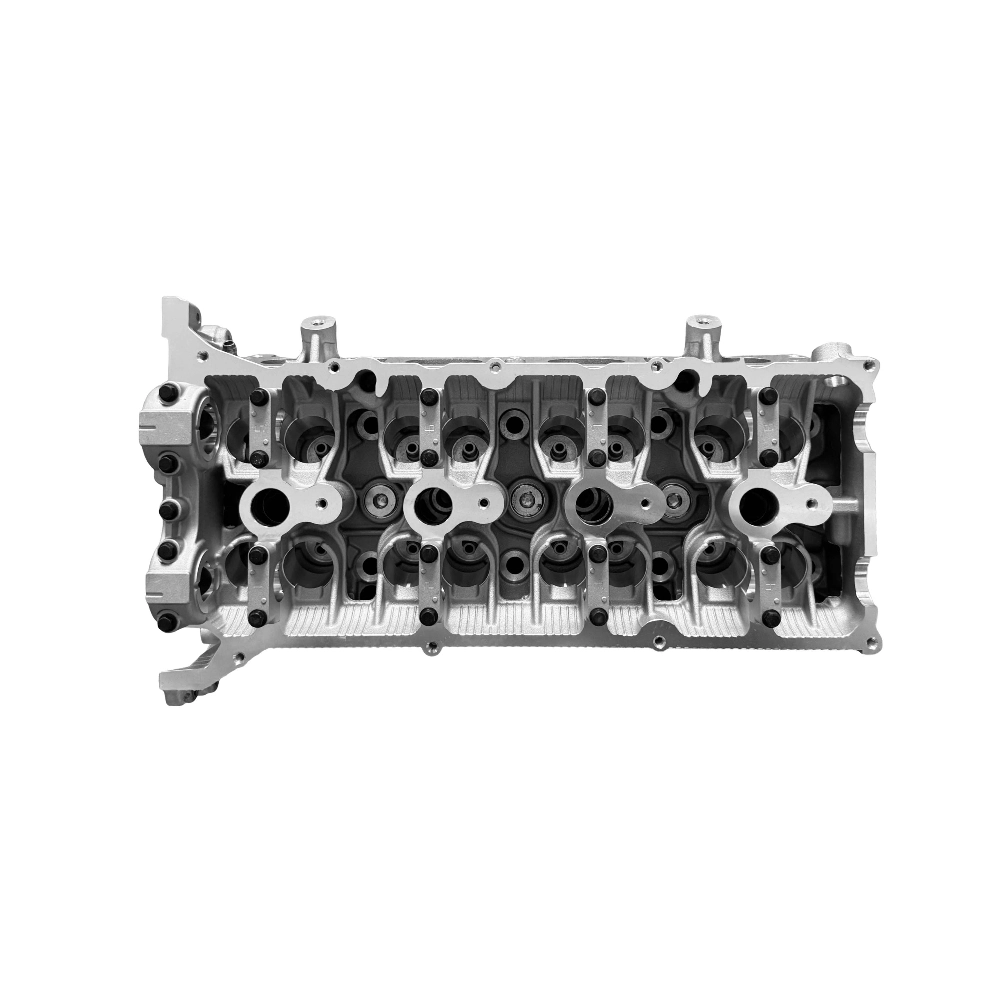
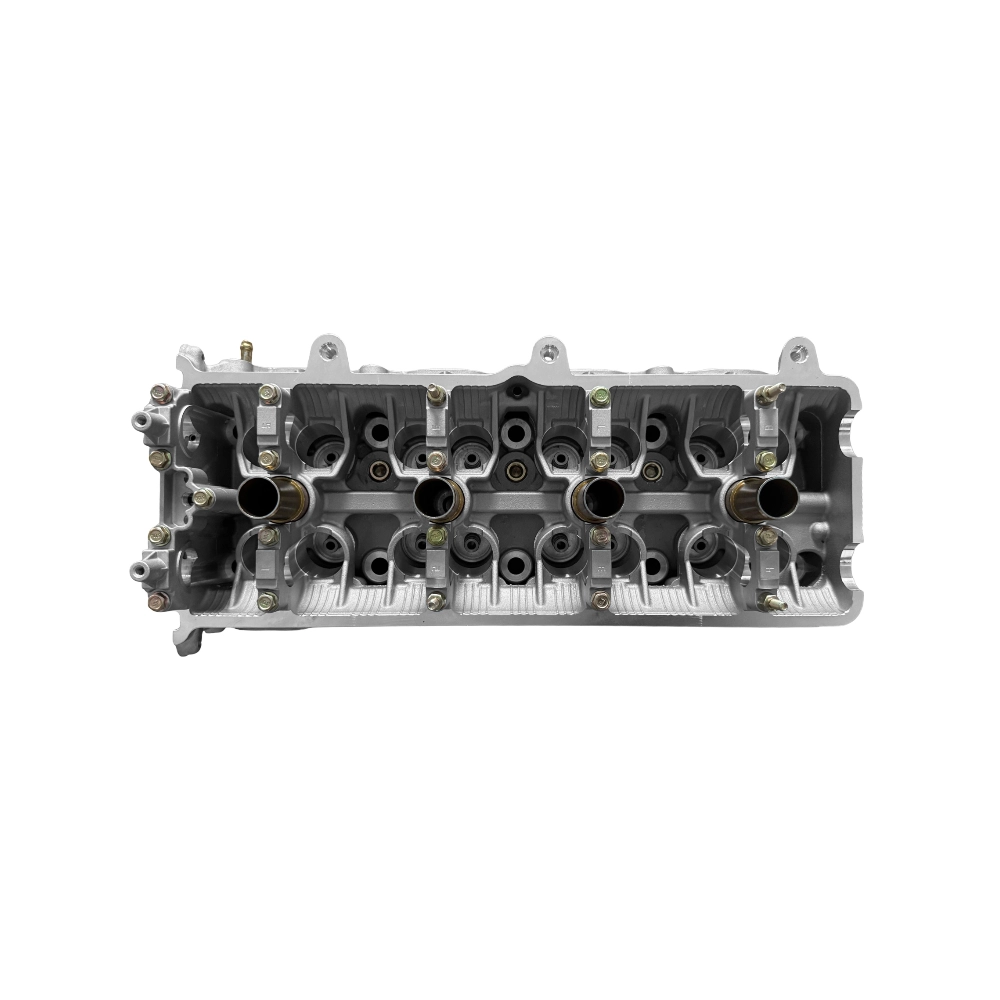
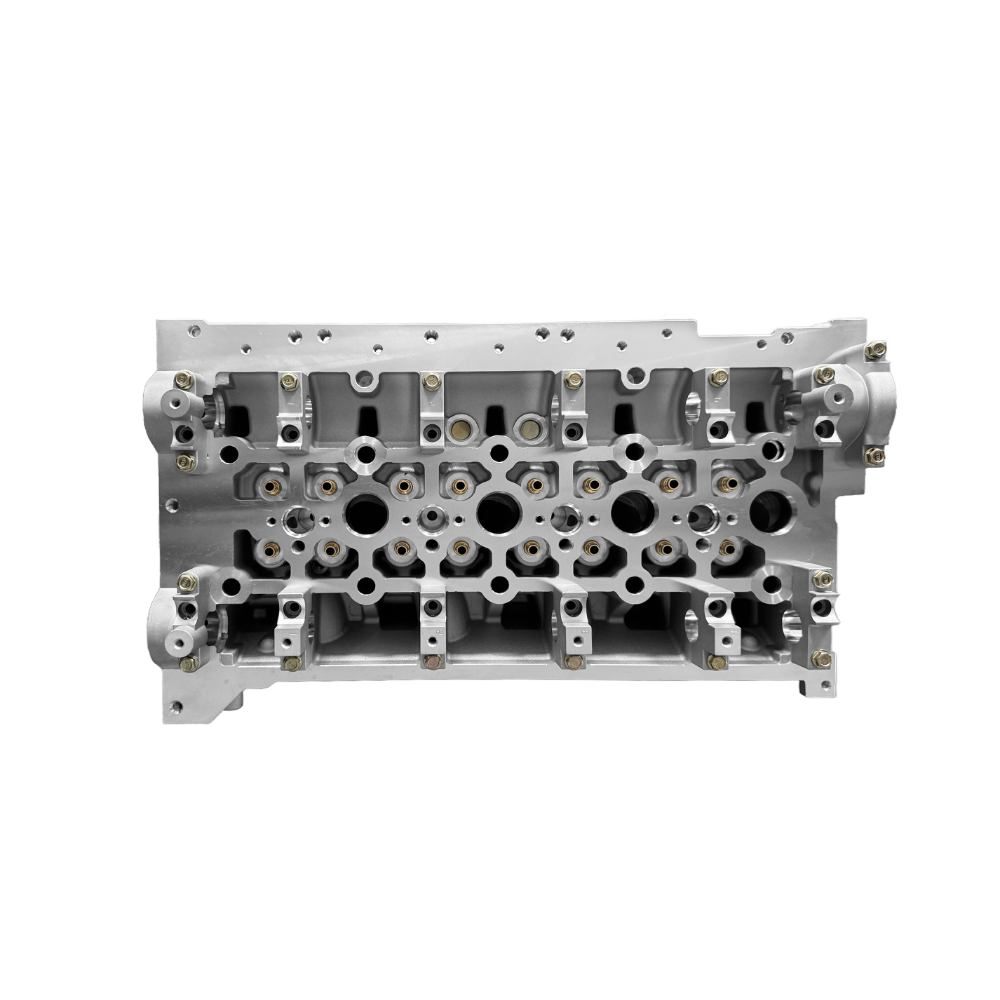
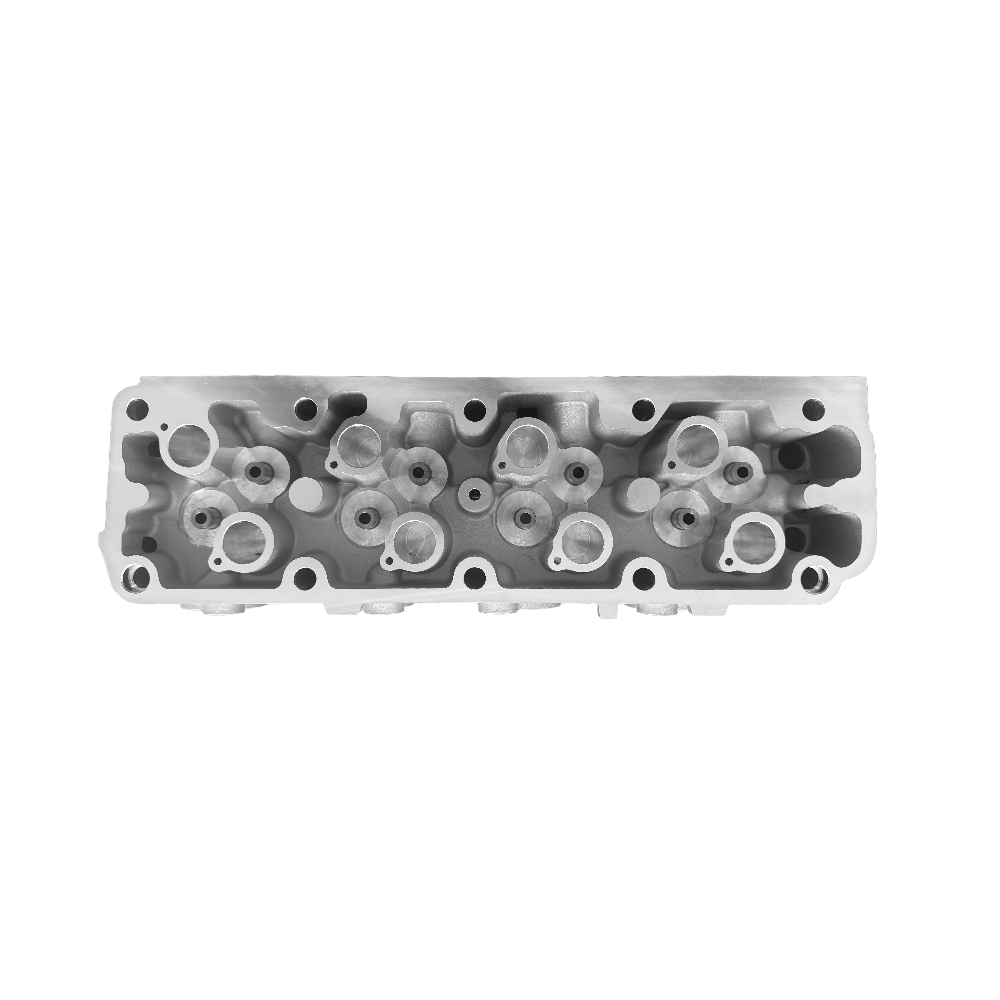
7. WL Engine Cylinder Head
• Cylinder Head Material: The WL engine’s cylinder head is typically constructed from aluminum alloy, delivering superior heat dissipation alongside a lightweight design.
• Valve Configuration: The WL engine adopts a DOHC (Dual Overhead Camshaft) layout with 4 valves per cylinder, boosting air intake and exhaust efficiency to enhance overall engine performance.
• Cylinder Head Sealing: Premium sealing gaskets are fitted on the cylinder head to isolate combustion gas, engine oil and coolant effectively and avoid fluid leakage.
• Maintenance and Replacement: Prolonged operation, particularly under high-temperature working conditions, may lead to cylinder head cracking, warping or material deterioration. Regular inspection and prompt replacement are critical to sustain stable engine performance.
8. WL Engine Routine Maintenance
Exhaust System Inspection: Routinely inspect the EGR system and exhaust assemblies to prevent carbon deposits from impairing engine performance.
Regular Oil and Filter Change: Replace engine oil and filters on schedule with diesel-grade specified lubricants to maintain proper engine lubrication and minimize component wear.
Turbocharger Inspection: Periodically examine the turbocharger lubrication circuit to prevent failures induced by insufficient oil supply.
Fuel System Cleaning: Clean fuel injectors and pipelines at regular intervals to avoid blockages and guarantee effective fuel delivery.
Coolant System Inspection: Maintain proper coolant volume and inspect the cooling circuit for leakage or internal blockages.