

 Home
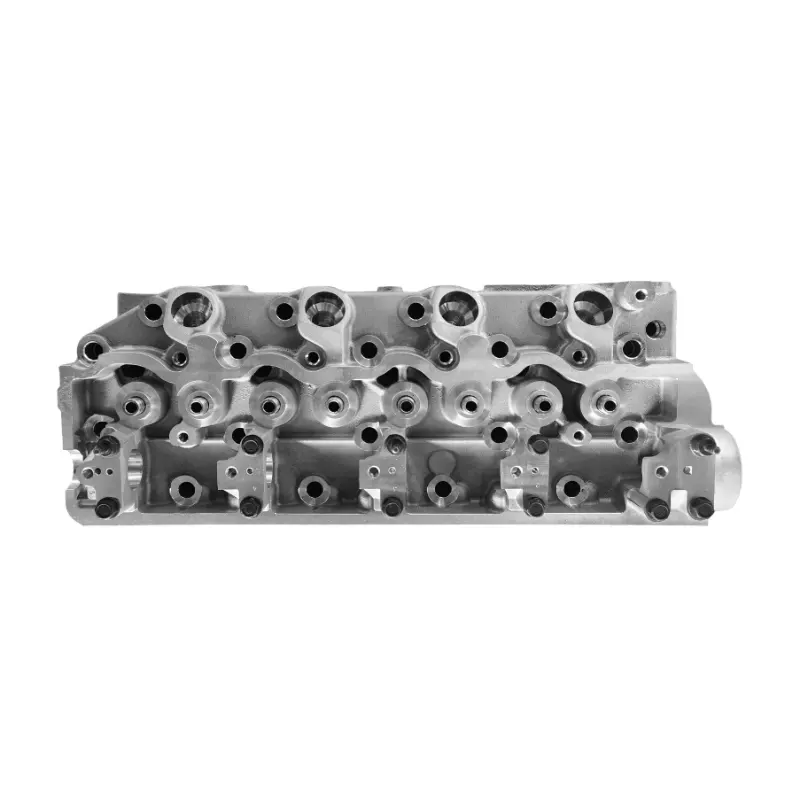
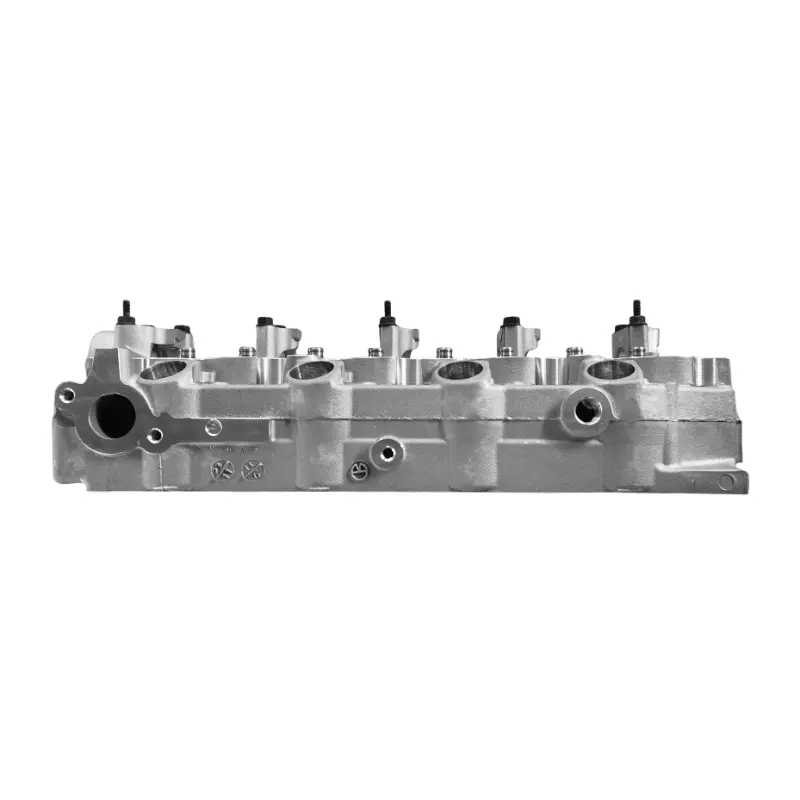
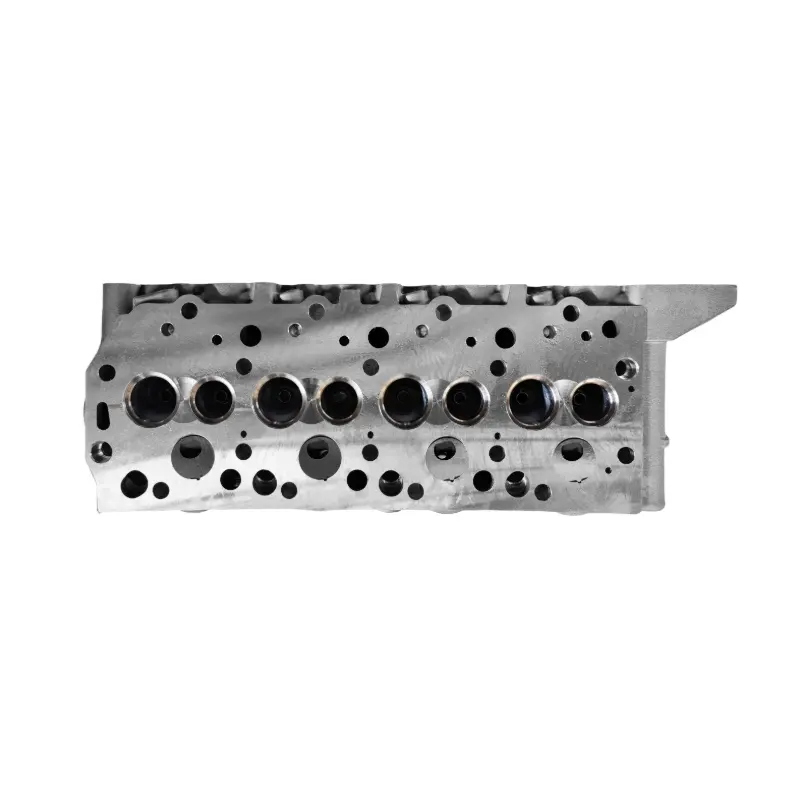
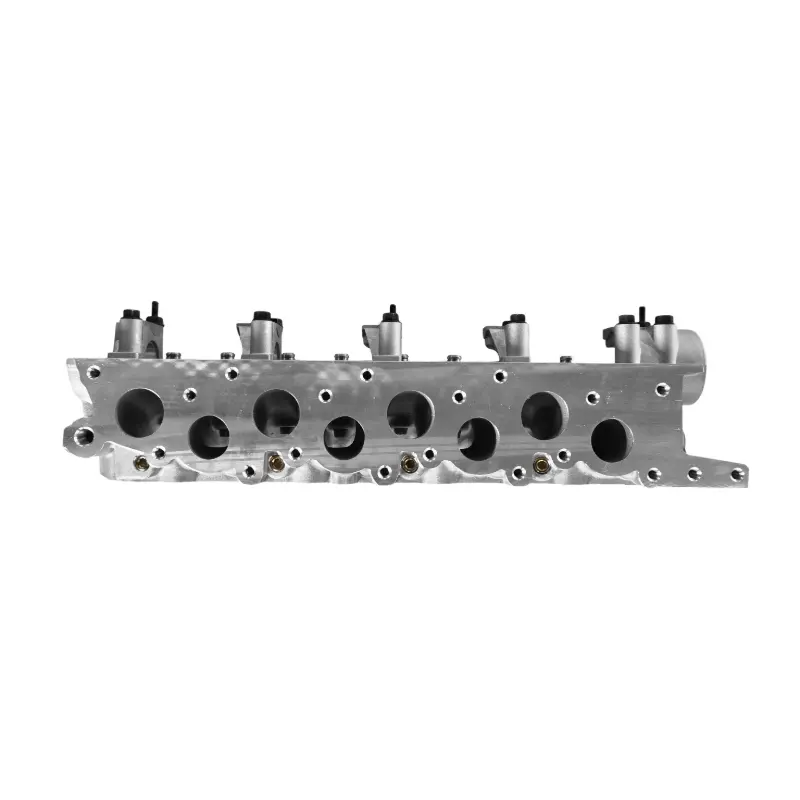
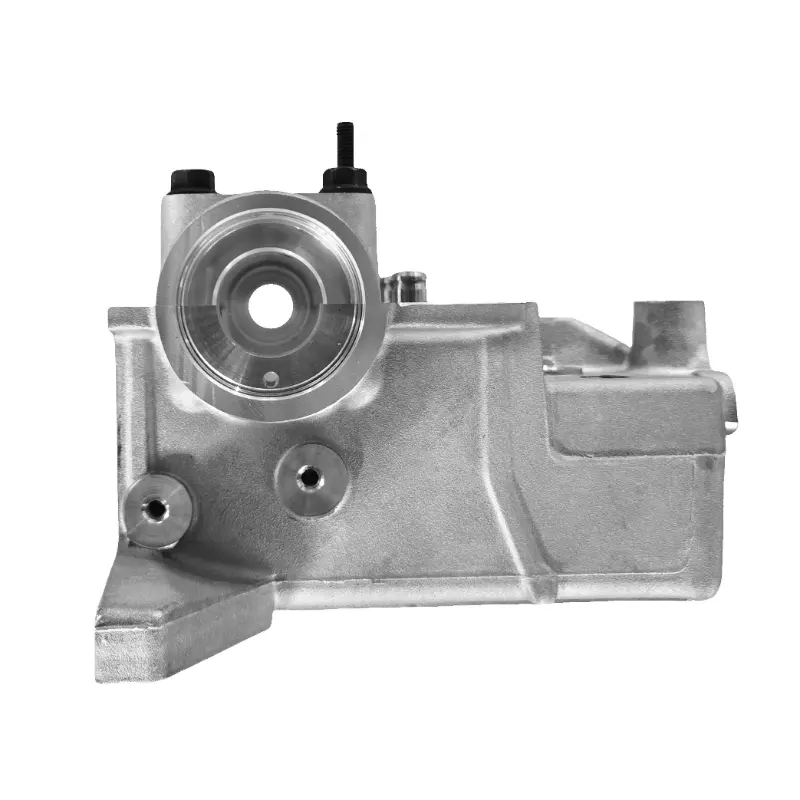
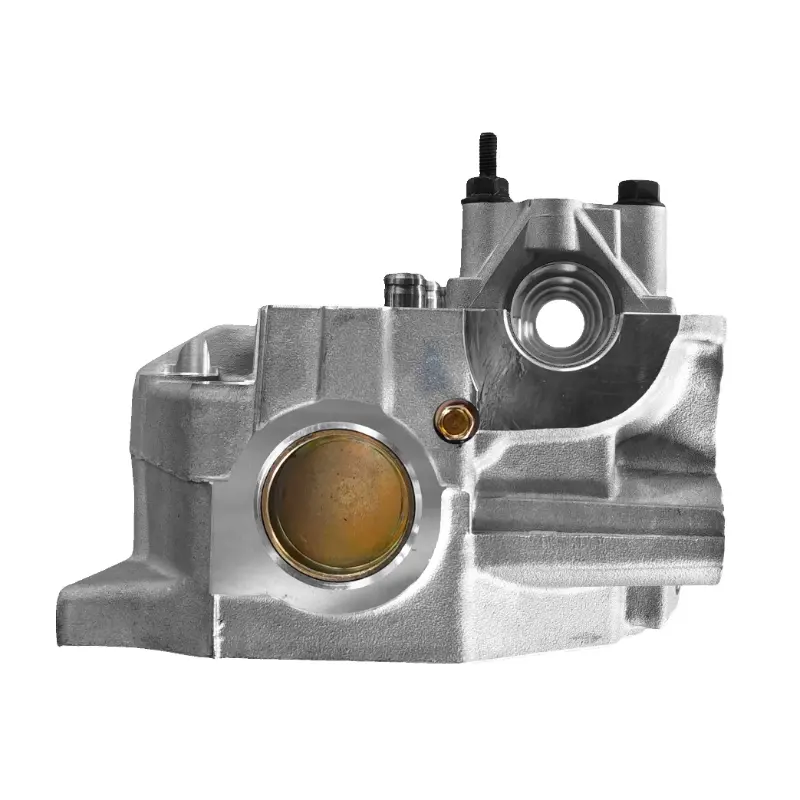
Product NO.
| ML NO. | OEM NO. | REF NO. |
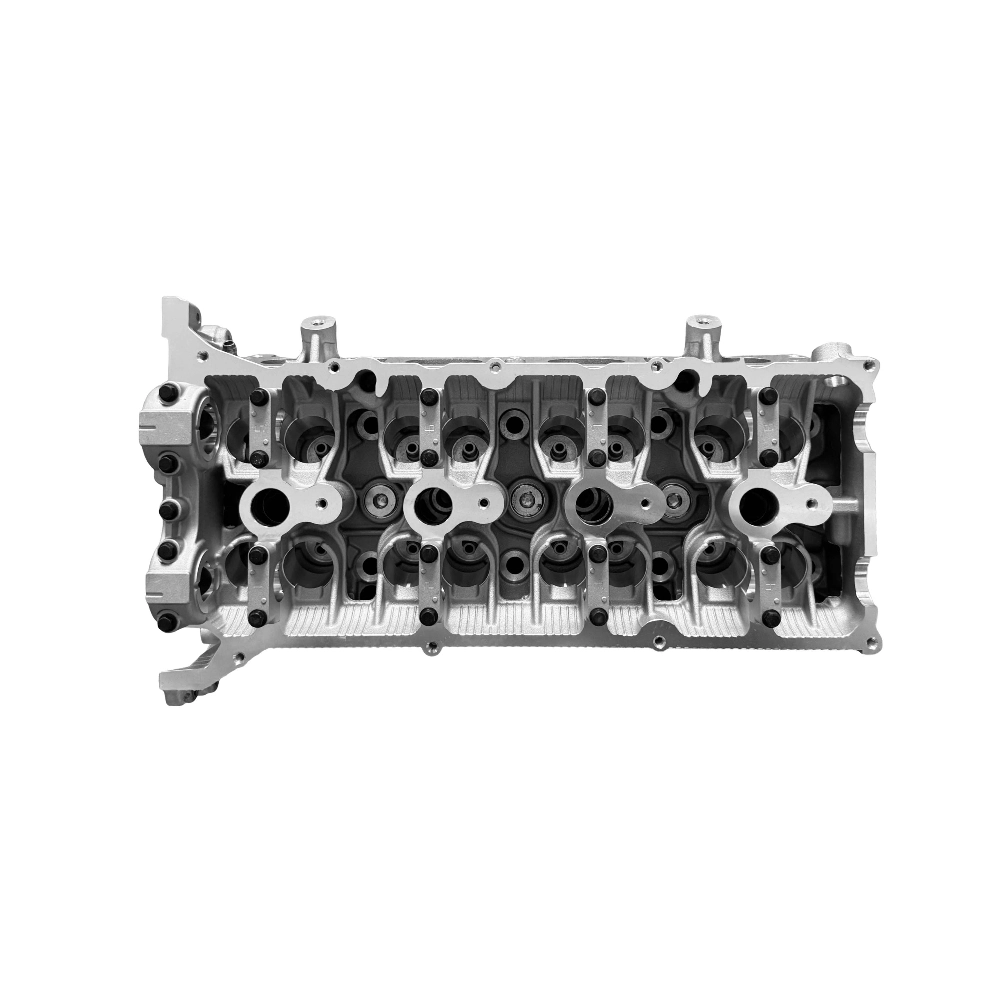
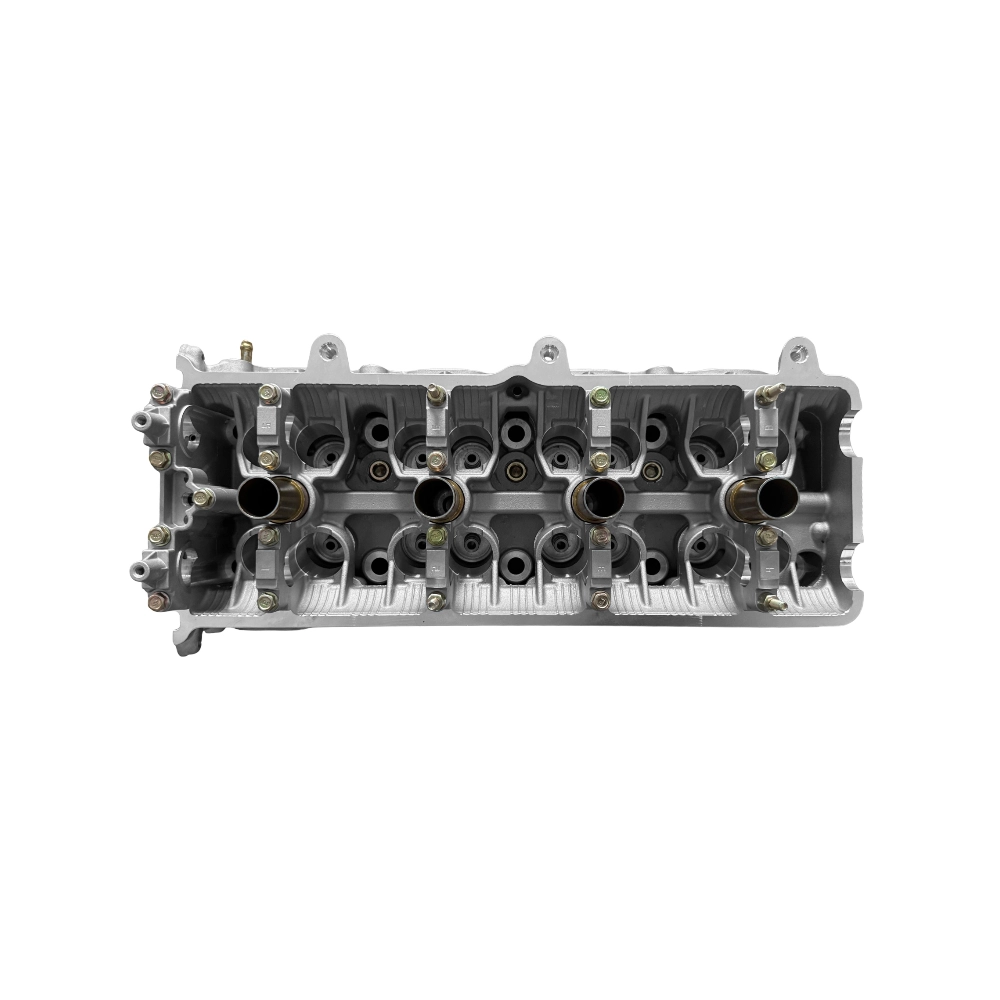
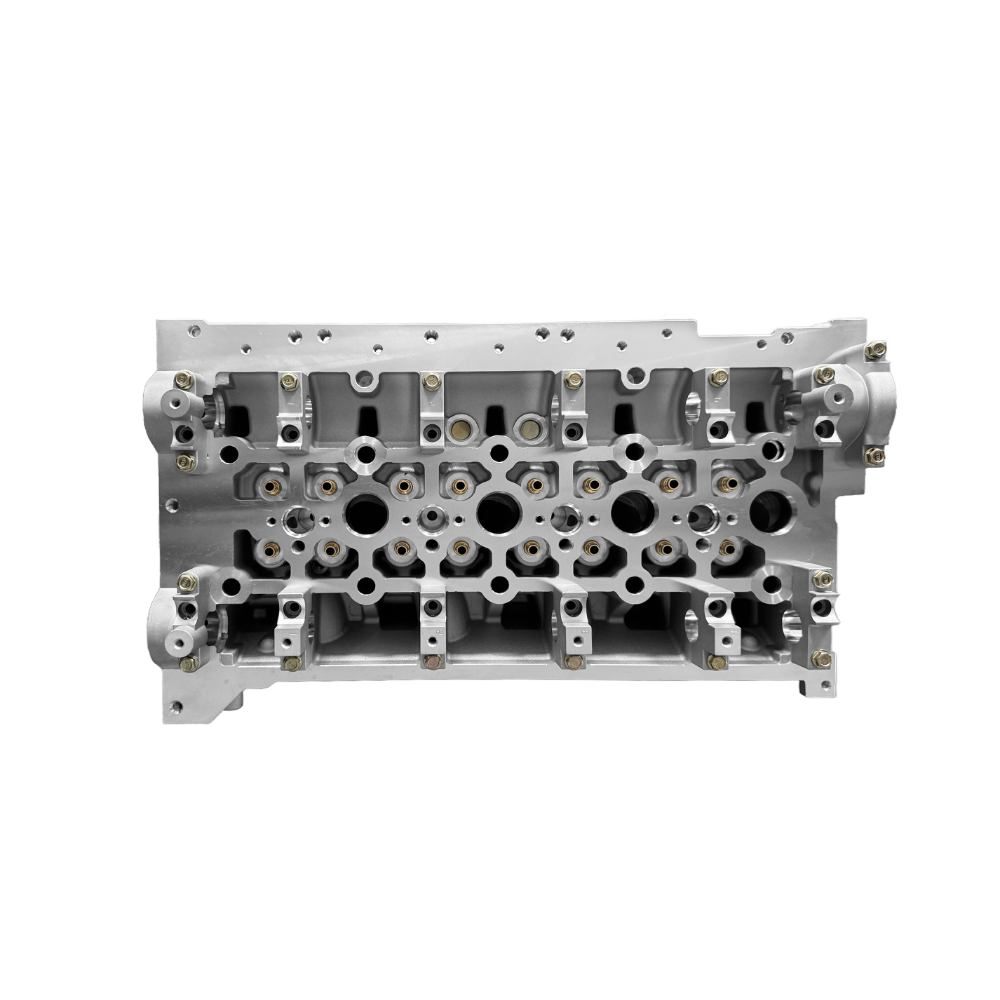
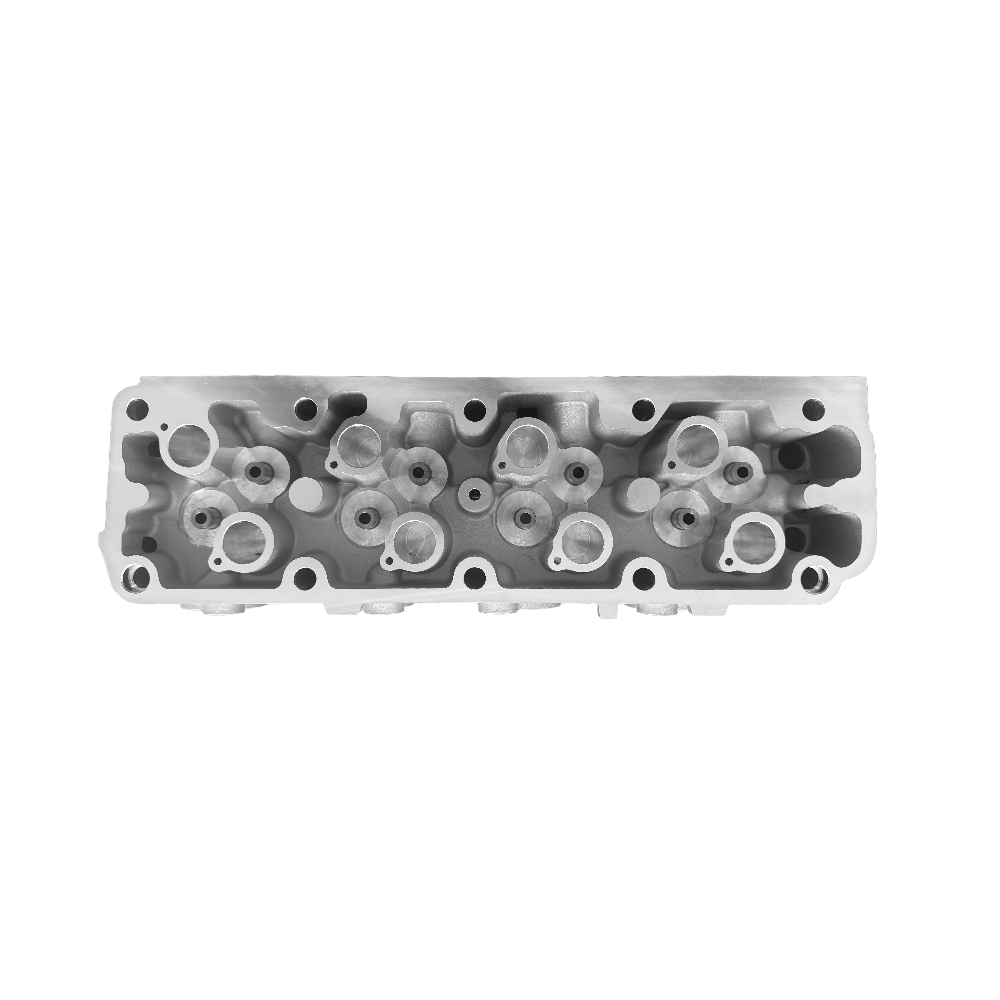
| MLG009 | MD303750 MD348983 MD351277 MD313587 MD984455 2200042A20 | 908513 |
| MLG010 | MD185926 MD109736 MD185920 MD139564 2210042900 | 908512 |
| MLG011 | MD185918 MD185922 MD109733 MD305542 MD103199 MD307786 2210042U00 | 908511 |
| MLG012 | 2210042700 | 908770 |
| MLG013 | 2210042750 2210042751 | 908771 |
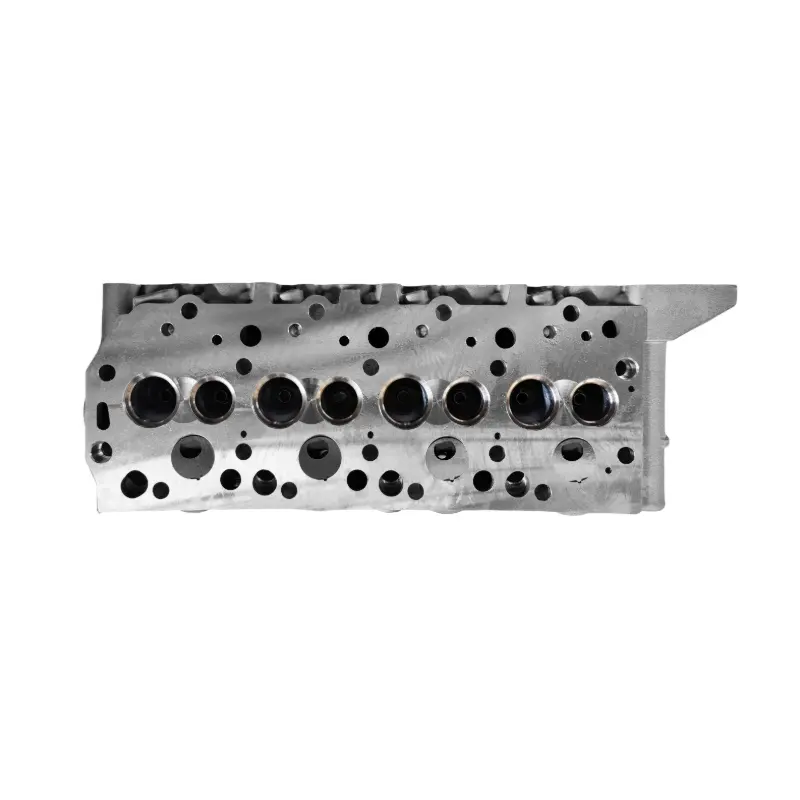
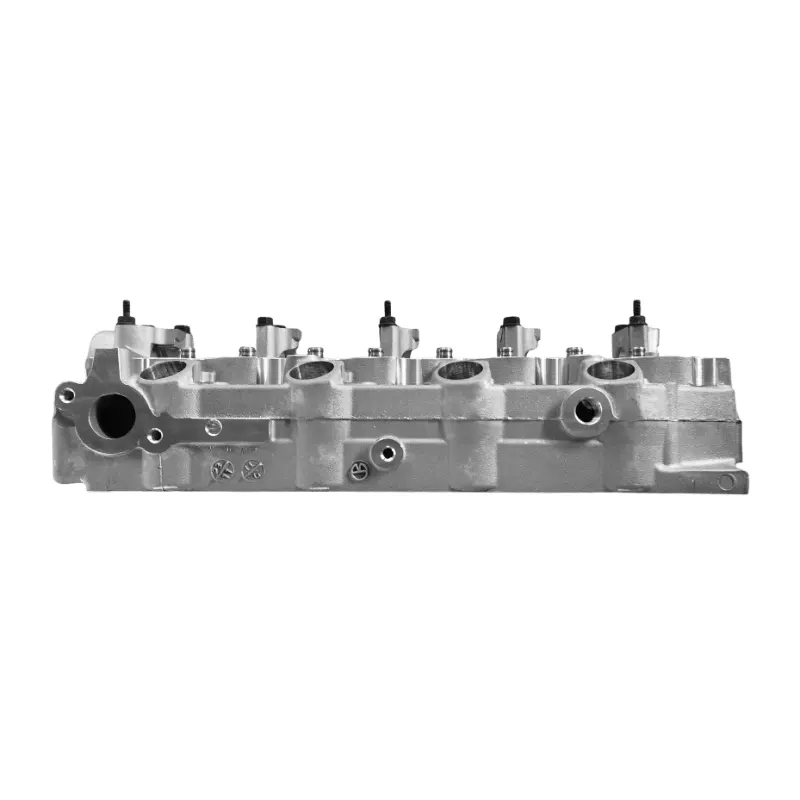
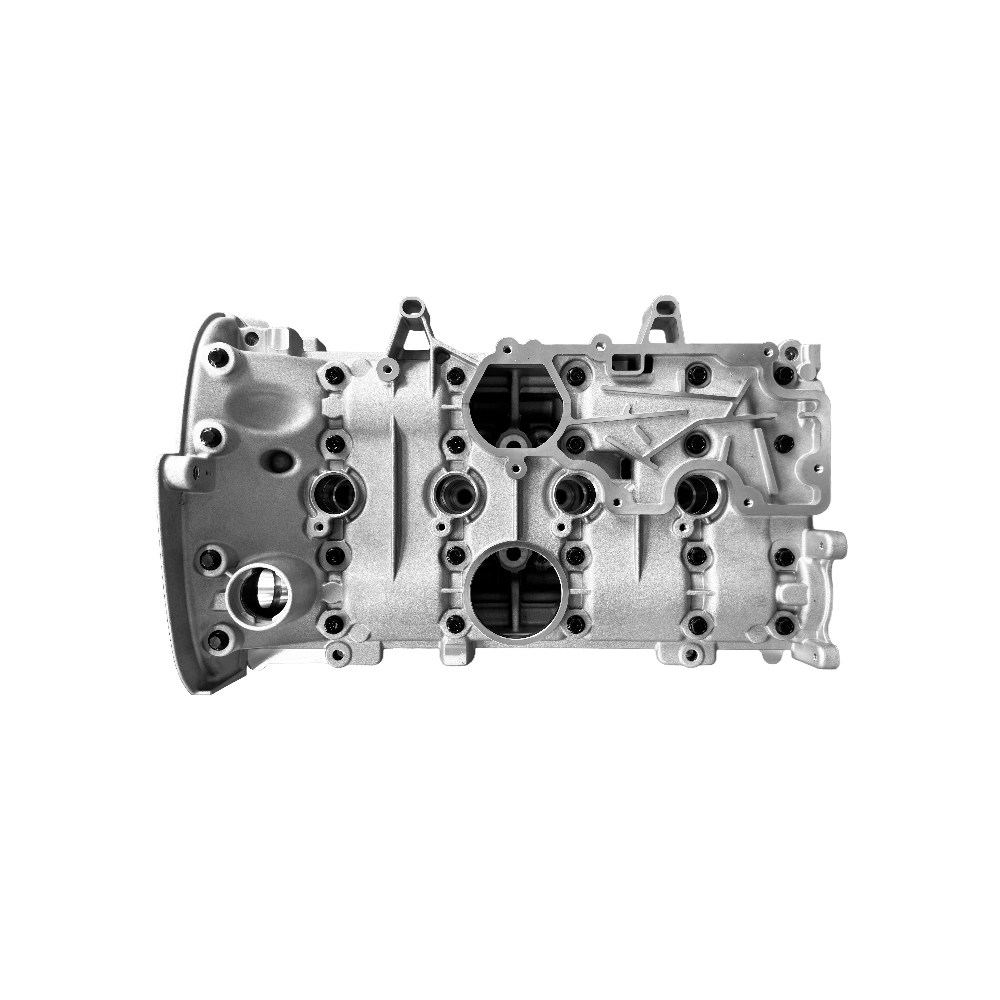
Information of the 4D56 Engine Cylinder Head
1. Material: Typically made of aluminum alloy, which offers high heat resistance and corrosion resistance. The use of aluminum alloy helps reduce engine weight and improves heat dissipation.
2. Structural Design:
• DOHC (Dual Overhead Camshaft) design: The 4D56 engine cylinder head features a dual overhead camshaft (DOHC) configuration, which helps improve valve timing precision and engine performance, especially at high RPM, by enhancing airflow efficiency.
• Valve Configuration: Typically a 4-valve design, with 2 intake valves and 2 exhaust valves per cylinder. This configuration better controls the intake and exhaust processes, improving engine combustion efficiency and power output.
3. Cooling System: The cooling channels in the cylinder head are connected to the engine’s water-cooling system, ensuring the engine’s heat is effectively dissipated to prevent overheating and damage. These cooling channels are usually designed as a complex network to ensure that all parts are adequately cooled.
4. Turbocharging and Exhaust Design: As the 4D56 is a turbocharged diesel engine, the cylinder head will have specially designed passages for the turbocharger and exhaust systems to improve exhaust efficiency and reduce turbo lag.
5. Valve Seats and Valves:
• Valve Seat Material: The valve seats are typically made from hardened cast iron or inserted materials to ensure a good seal and wear resistance, extending the engine’s lifespan.
• Valve Material: The valves are usually made of high-strength steel and are likely treated with high-temperature processing to withstand the high-pressure and high-heat working environment.
6. Cylinder Head Gasket: To ensure internal engine air and liquid sealing, the cylinder head is typically fitted with a multi-layered steel (MLS) gasket, which maintains its sealing performance under high temperature and pressure.
7. Common Issues:
• Cylinder Head Cracks: Due to high thermal loads, some 4D56 engines may experience cracks in the cylinder head, especially when there are issues with the cooling system or insufficient coolant.
• Valve Wear: Prolonged high-intensity use can lead to valve and valve seat wear, affecting sealing and engine performance.
Cylinder Head Removal, Installation, and Maintenance
• Check Sealing: Regularly check the cylinder head gasket to ensure there are no leaks.
• Clean Air Passages: Clean the intake and exhaust passages in the cylinder head to prevent carbon buildup and contaminants that can affect airflow.
• Check Valve Clearances: Regularly check valve clearances to ensure proper opening and closing of the valves.
Common Cylinder Head Failures and Repairs
• Leaks (Water/Oil): Failure of the gasket or cylinder head cracks may lead to coolant or oil leakage, and in severe cases, the cylinder head may need to be replaced.
• Cylinder Head Warping: Long-term high-temperature operation can cause cylinder head warping, which can affect engine performance and may require resurfacing or replacement.
Information about the 4D56 Engine
1. Engine Type:
• Configuration: Inline 4-cylinder
• Fuel Type: Diesel
• Cooling System: Water-cooled
2. Engine Specifications:
• Displacement: 2.5L (2,477cc)
• Bore x Stroke: 84mm x 90mm
• Compression Ratio: Typically around 23.0:1
• Fuel System: Mechanical or Electronic Fuel Injection (varies by model and market)
• Turbocharging: Yes, turbocharged (single-stage)
• Intercooling: Common in some versions of the 4D56 engine for better performance
• Valve Configuration: 8 valves (4 valves per cylinder) with DOHC (Dual Overhead Camshaft) in some versions
3. Performance:
• Max Power: Approximately 85-115 horsepower (63-85 kW), depending on the specific version and application
• Max Torque: Ranges from 200Nm to 300Nm, depending on the version
• Fuel Efficiency: Known for fuel efficiency in its category, especially in commercial vehicles and off-road applications
4. Applications:
• The 4D56 engine is commonly used in Mitsubishi Pajero, L200, Outlander (in some regions), and Canter trucks, as well as in various Mitsubishi commercial and off-road vehicles.
• It is used in light commercial vehicles and SUVs, primarily for markets requiring durability, high torque, and fuel economy in demanding environments.
5. Features:
• Durability: The 4D56 is known for its robust design, which allows it to perform well under heavy-duty and off-road conditions.
• Turbocharged: The turbocharged version provides extra power and better performance, especially for high-load applications such as towing or off-road driving.
• Emission Standards: Some versions of the 4D56 comply with modern emissions standards, making them suitable for a wide range of markets.
6. Common Issues:
• Head Gasket Failure: In some versions of the 4D56, the head gasket may fail over time, especially if the engine overheats or is improperly maintained.
• Fuel Injection Problems: Mechanical fuel injectors (VE pumps) can experience wear or clogging, which may lead to performance issues such as rough idling or excessive smoke.
• Turbocharger Wear: On turbocharged variants, the turbocharger can wear out if proper maintenance, such as regular oil changes and air filter replacements, is not performed.
7. Maintenance Considerations:
• Regular maintenance, including oil changes, fuel filter replacement, and cooling system checks, is essential for ensuring the longevity of the engine.
• Cooling system: Ensuring the cooling system is functioning properly to avoid overheating and potential cylinder head damage.
• Turbocharger: Regular inspections of the turbo system and ensuring proper lubrication are important to prevent turbo failure.
8. Common Parts for Replacement:
• Cylinder Head: Known for wear over time, especially if the engine has experienced overheating.
• Fuel Injectors: Commonly replaced in older versions of the engine that may have fuel delivery issues.
• Timing Belt: Regular replacement to avoid engine damage.
• Turbocharger: In the turbocharged versions, the turbocharger may need servicing or replacement after extended use.